




Which Biomarkers Should We Be Testing For Fertility?
From vitamin D to AMH, fertility testing throws a lot of numbers at you. Here's why an at-home blood test, plus daily data from your WHOOP, can tell you more than either one alone.

Written by: Samantha Nice
Written on: 30 September 2026
Fertility testing has become a genre of its own with an entire industry of panels, apps, and at-home kits promising to tell you exactly where you stand. "Fertility doesn't exist in isolation," says Cara Shaw DipCNM, mANP, mGNC, registered women's health nutritional therapist and Healf Zone practitioner. "Whilst biomarkers can provide valuable information, they should always be interpreted in context."
Diet, sleep, environmental exposures, and metabolic health can all influence reproductive health, even when results look “normal” on paper. That's where testing from home and tracking through a wearable like WHOOP can be useful, giving you different types of information to consider together.
Can you test your fertility with a blood test?
Yes, and it can provide useful information before trying to conceive, provided you know what a test can and can't tell you. A blood test gives you numbers on hormone levels, thyroid function, nutrient status, and metabolic health, the kind of detail symptom-tracking alone can't provide. Ultimately, fertility can’t be reduced to one figure, no matter how comprehensive the panel. Natasha Evans, BANT and CNHC-registered nutritionist specialising in fertility, sees this misunderstanding constantly in clinic. Biomarkers can flag areas to investigate further, but they work best when read together and in context.
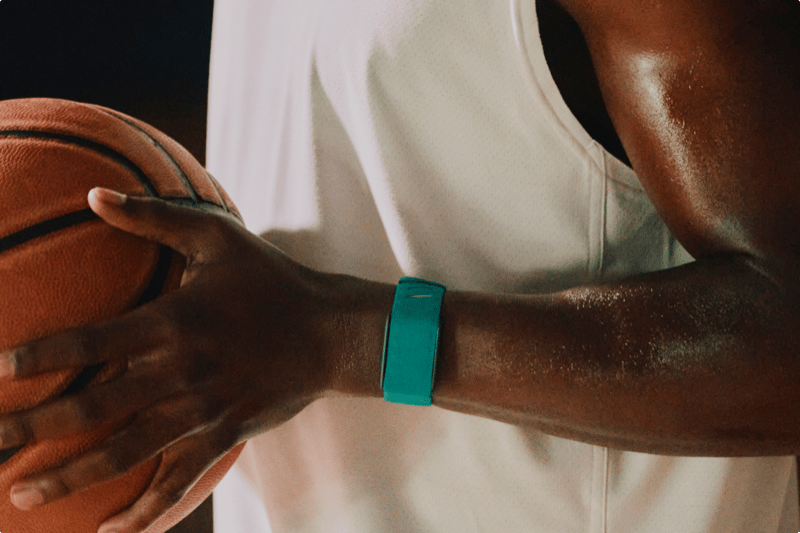
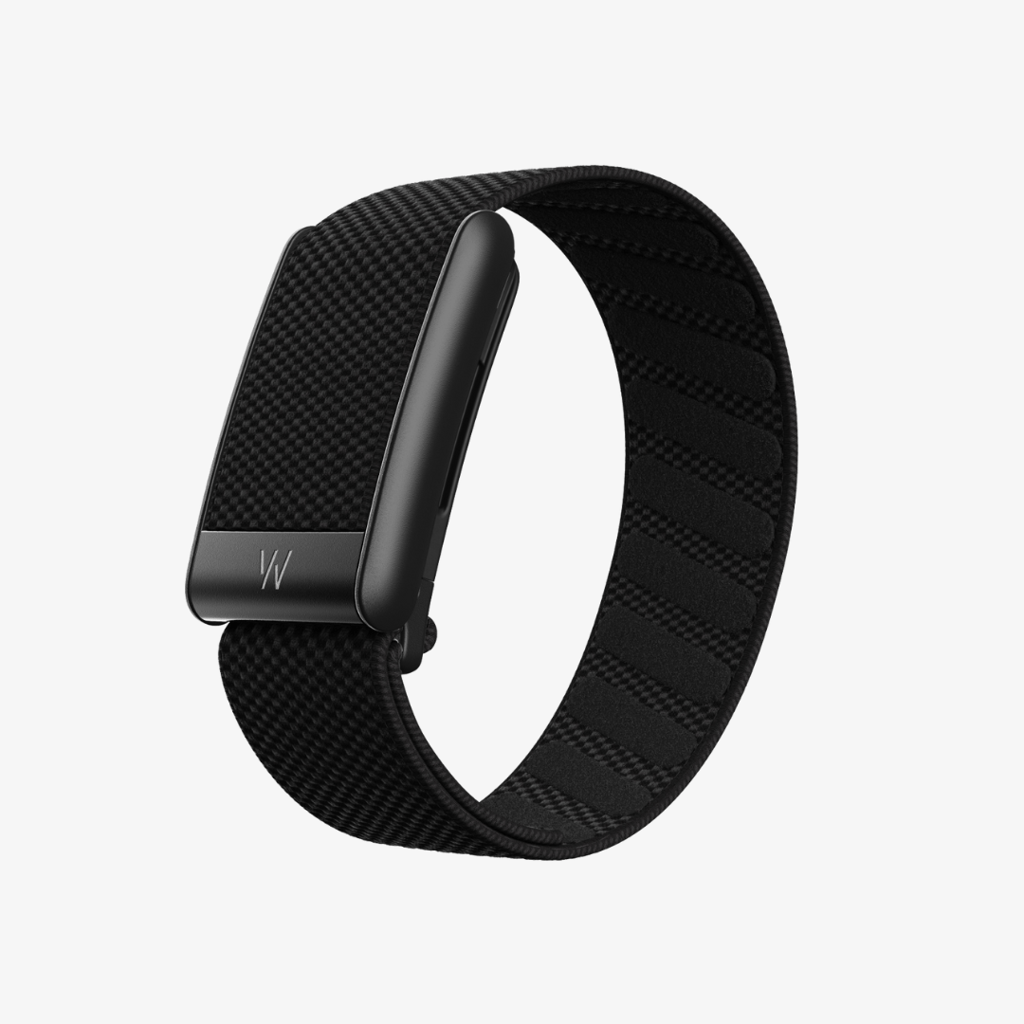
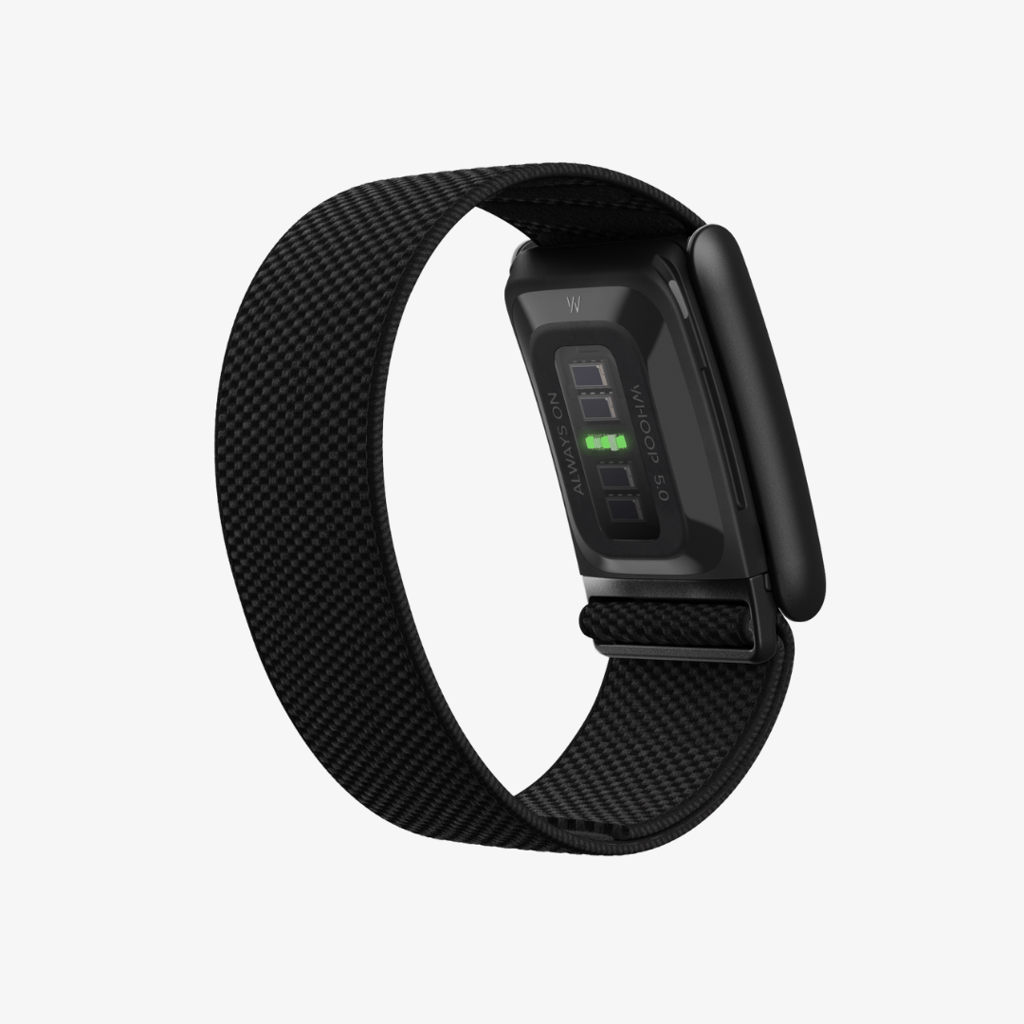
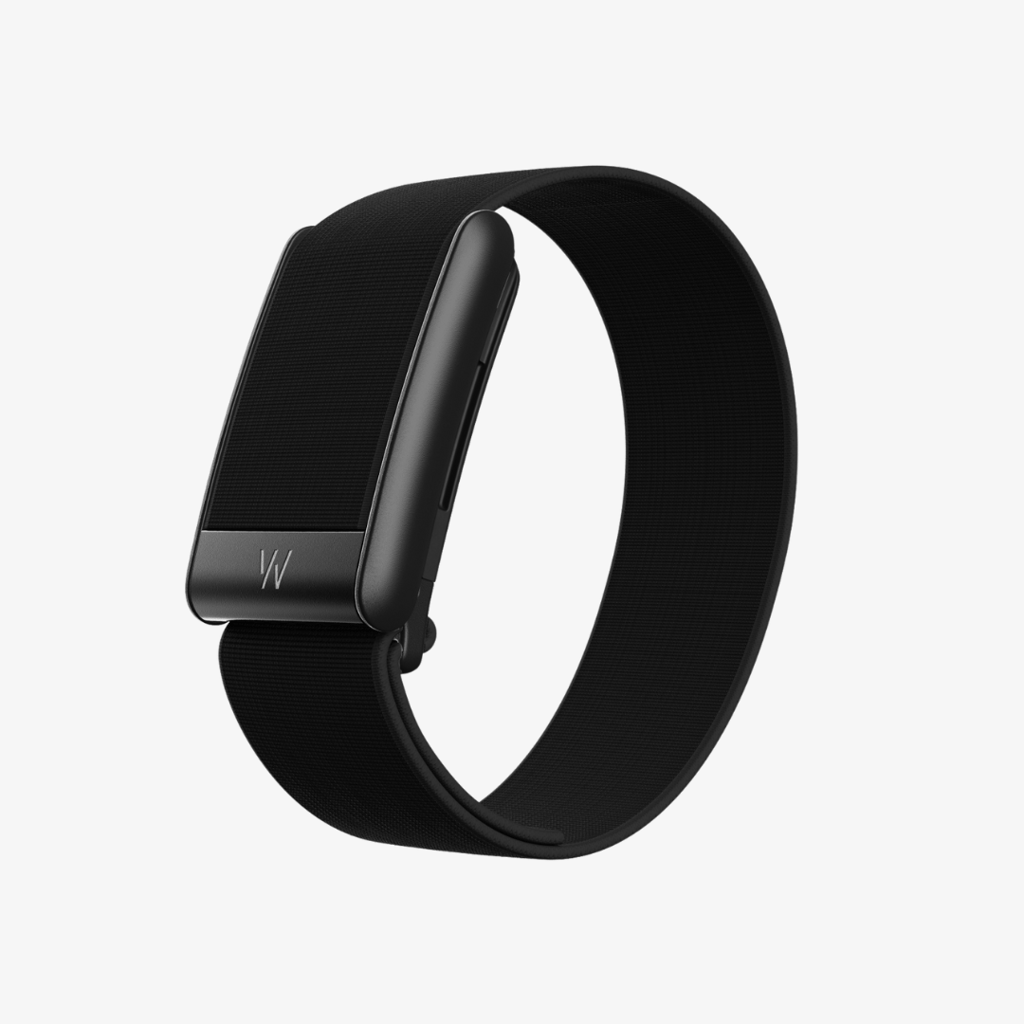
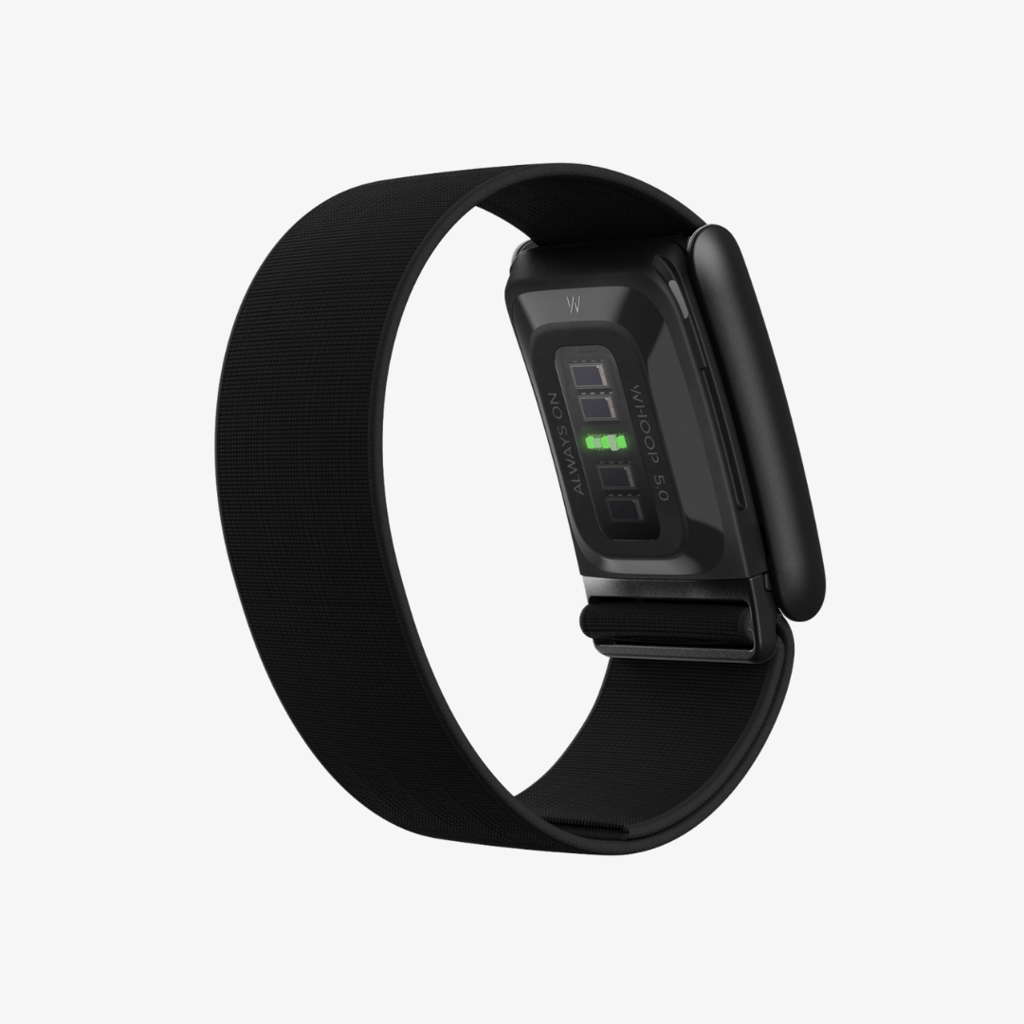
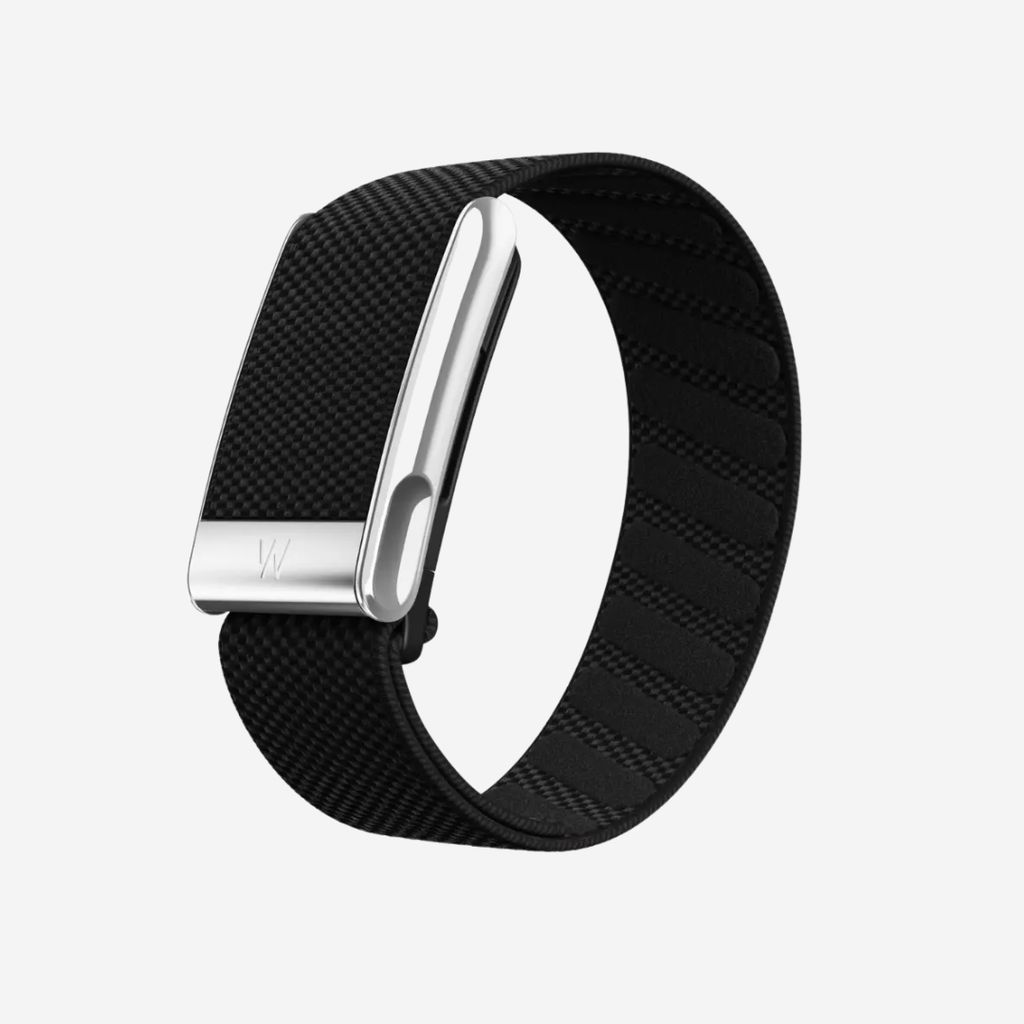
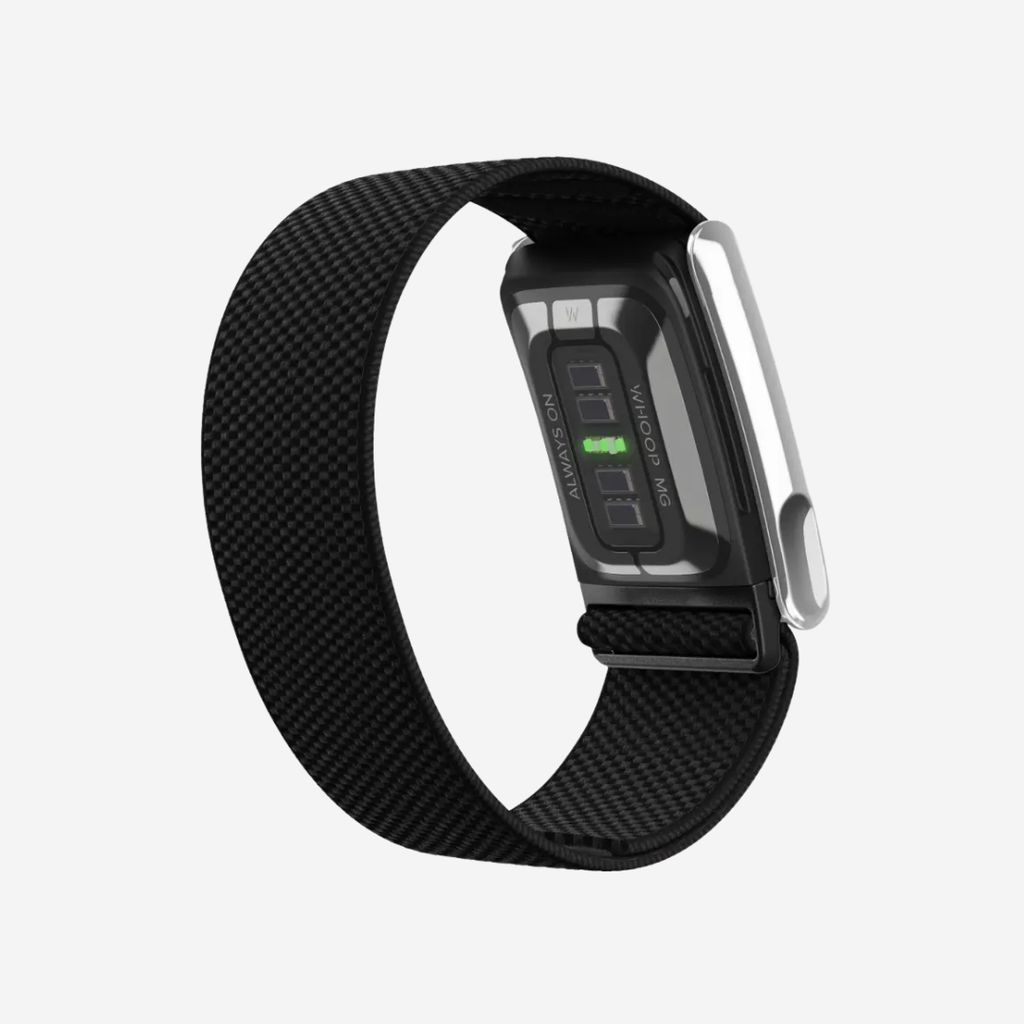
An at-home blood test like Healf Bloods gives you those numbers without a clinic visit, while a wearable like WHOOP fills in what happens around them, the daily sleep, recovery, and cycle patterns a one-off blood draw can't capture. Together, they cover the numbers and the everyday detail behind them.
Where Healf Bloods and WHOOP fit in
Healf Bloods gives you access to many of the biomarkers covered in this piece without booking a GP appointment or waiting for a referral. The panel includes oestradiol, progesterone, FSH, LH, testosterone, SHBG, a full thyroid panel, iron and ferritin, vitamin D, magnesium, zinc, HbA1c, and CRP, alongside a 1:1 consultation with a Healf Zone practitioner to talk through what the results mean, so the interpretation isn't left to guesswork.
WHOOP adds a different kind of understanding on top. For fertility specifically, Fouzhan Shadidi, MSc, a Healf Zone practitioner and biomedical and drug discovery scientist, sees the two as complementary rather than competing. "The core Healf Zone blood panel should come first, because it reveals your underlying system capacity for reproduction, hormones, thyroid and metabolic health, inflammation, and key nutrients that either support or block conception." WHOOP then adds what a single blood draw can't capture. "It tracks the day-to-day environment in which your hormones operate, including sleep quality and consistency, stress load through heart rate variability and resting heart rate, training strain, recovery, and cycle regularity." Healf Bloods results can also be uploaded to the WHOOP app, bringing both sets of data into one place.
"The real power is not just a nicer dashboard, but the way the two data sets actively explain and reinforce each other," Shadidi says. WHOOP data on sleep, HRV, recovery, strain, and cycle patterns should be considered alongside repeat blood results to see how both change over time, and how they interact. "Bloods identify what needs to change, WHOOP tracks whether you are genuinely changing it, and the next round of bloods shows how your body has responded," she says, turning one-off testing into an ongoing feedback loop.
Whichever route you take, the same point from every expert in this piece applies. Results are best interpreted with a practitioner, GP, or fertility specialist who can consider them alongside your wider health.
The fertility biomarkers practitioners look at most often
Asked where she'd start, Shaw points to several areas. "I would typically want to assess a comprehensive panel of reproductive hormones, alongside a full thyroid panel including antibodies if possible, vitamin D, iron status, vitamin B12, folate, and also blood sugar markers. These biomarkers are well documented as being linked with fertility."
Vitamin D
Why it counts: "Vitamin D receptors are present throughout the reproductive system, which is one reason it has attracted so much attention within fertility research," Shaw says. Evans agrees it's the deficiency she sees most. "It's actually a prohormone rather than a true vitamin, and it plays a central role in fertility, regulating reproductive hormones, supporting egg quality and implantation, and contributing to spermatogenesis."
What to know: deficiency is common in the UK, and Shaw sees it as one of the easier things to correct.
Thyroid health
Why it counts: standard thyroid screening often starts with TSH, while Shaw also looks at free T3, free T4, and thyroid antibodies in her fertility clients. "Whilst TSH is often used as the primary screening marker, I also like to review free T3 and T4, and where available, thyroid antibodies," she says.
"I often see women experiencing symptoms despite being told their thyroid results are normal, so a broader picture can be helpful." "Thyroid health can have a significant impact on fertility, menstrual regularity, and pregnancy outcomes," she adds.
What to know: thyroid antibodies can reveal autoimmune thyroid activity in some people whose TSH still sits within the reference range, which is why Shaw includes them where available. Their presence needs to be interpreted alongside TSH, thyroid hormone levels, symptoms, and medical history.
Thyroid dysfunction can also show up as unexplained shifts in resting heart rate, HRV, or recovery on your WHOOP, since thyroid hormones directly influence heart rate and how the body handles stress. While it’s not a thyroid test, seeing a changing pattern alongside other symptoms should signal something may be affecting your thyroid function.
Reproductive hormones
Why it counts: reproductive hormones are most useful when interpreted together. The comprehensive panel Shaw typically runs for clients includes oestradiol, progesterone, testosterone, LH, FSH, SHBG, and DHEA. FSH and oestradiol can provide information about ovarian function, LH is involved in triggering ovulation, and progesterone rises afterwards and can help confirm that ovulation has occurred. SHBG influences how much testosterone and oestradiol circulates in an unbound form.
WHOOP can play a big role here, too. Its wrist skin-temperature sensor is built to detect the same post-ovulation temperature rise that progesterone drives — which has been the basis for basal body temperature charting for decades, and has now been validated against it in a peer-reviewed comparative study. WHOOP's Menstrual Cycle Coaching pays attention to this shift, giving a day-to-day, in-app view that can sit alongside a progesterone blood test.
What to know: prolactin deserves a mention too, since most people associate it with breastfeeding rather than fertility testing. Raised prolactin can interfere with ovulation, so it may be investigated when periods are irregular or fertility problems remain unexplained.
Iron status
Why it counts: iron status is particularly relevant before pregnancy, when low stores can increase the risk of developing iron-deficiency anaemia as requirements rise.
What to know: Shaw sees low or borderline iron stores regularly in clinic, including results that still sit within the laboratory reference range. Iron deficiency is also often accompanied by an elevated resting heart rate and lower HRV, or slower workout recovery, all of which your WHOOP keeps close tabs on. None of these confirms low iron on its own, but a sustained pattern like this is a reasonable prompt to check ferritin.
Blood sugar and metabolic health
Why it counts: Shaw points to this as the blind spot most fertility testing misses entirely. "One area that is often overlooked is blood sugar regulation. Markers such as HbA1c, fasting glucose, and, where available, fasting insulin can provide valuable insights into metabolic health." This can be particularly relevant for women with PCOS, where insulin resistance is common and can contribute to disrupted ovulation.
What to know: HbA1c only gives you an average. "Someone may have an HbA1c that falls within the normal range, but still experience significant blood sugar fluctuations throughout the day due to skipped meals, poor meal balance, or inadequate protein intake," Shaw says. HbA1c reflects average blood glucose over the previous two to three months, so it won't show every fluctuation across the day.
This is a gap that the WHOOP Journal can help fill each day. By logging things like meal timing, alcohol, or a late dinner against next-day recovery and sleep can help you keep track of HbA1c patterns. Plus, WHOOP's own data shows late-night eating and alcohol both measurably disrupt recovery, providing even more context for your panels.
Inflammation
Why it counts: high-sensitivity C-reactive protein (hs-CRP) can indicate low-grade systemic inflammation. It isn't a fertility marker specifically, but can help identify inflammation that may warrant further investigation when considered alongside other fertility and health markers. A recovery score or HRV that stays low despite adequate sleep and manageable training load can reflect general systemic strain too — it's a much blunter signal than hs-CRP and can't stand in for it, but a persistent dip is worth paying attention to alongside other symptoms.
Fertility testing isn't just for women
Male fertility deserves equal consideration. "Male fertility contributes to around half of fertility challenges, yet it is often overlooked," Shaw says.
The main test: a semen analysis measures considerably more than count alone, including sperm concentration, motility, and morphology. Sperm DNA fragmentation testing may be considered in some cases of unexplained infertility or recurrent pregnancy loss. "The 'normal' reference ranges aren't necessarily optimal," Evans says. "In clinic, we're aiming to bring markers into the optimal range wherever possible, not just above the pass mark."
Worth adding: SHBG, total and free testosterone, vitamin D, folate, B12, zinc, and markers reflecting inflammation and metabolic health. Factors including obesity, smoking, alcohol intake, and poor sleep have also been associated with sperm quality. That’s also where your WHOOP can come in to help you track how these lifestyle factors may be affecting things.
The detail both experts raise is heat. "It's also important to mention how heat exposure to the testicle area can have an impact on male fertility," Shaw says. She points to factors including tight clothing, saunas, hot baths, and regular cycling. Evans lists the same fixes among her top preconception priorities for men. "Keep the testicles cool. No laptops on the lap, no phones in front pockets, and be mindful of sauna use, long-distance cycling, and extended time in lycra."
Which fertility tests are overhyped?
Not every fertility test that gets talked about online tells you as much as you might think, and two in particular are easily misunderstood.
AMH
Both experts single out the same marker as the one people misunderstand most. "AMH is probably one of the most misunderstood fertility markers," Shaw says. "Many people assume that AMH directly predicts whether they can or cannot get pregnant, but that's not what it measures. AMH provides information about ovarian reserve, not egg quality, and it cannot predict fertility outcomes on its own."
AMH reflects ovarian reserve, giving an indication of the remaining follicle pool. Where it becomes particularly useful is during IVF, helping predict how the ovaries may respond to stimulation and informing treatment protocols. "It has very little bearing on natural conception," Evans says. "It's genuinely useful in an IVF context for guiding medication protocols, but outside of that its utility is limited. You can have a low AMH and conceive easily, or a high AMH and struggle."
The research backs this up. A 2021 meta-analysis of eleven studies covering 4,388 women concluded that AMH has poor predictive value for natural pregnancy. A 2020 committee opinion from the American Society for Reproductive Medicine similarly concludes that ovarian reserve markers are good predictors of oocyte yield during IVF but poor independent predictors of reproductive potential more broadly. A very low result can still provide useful information about ovarian reserve and expected response to IVF, but it needs to be interpreted alongside age and other clinical factors.
Genetic and methylation testing
MTHFR is the gene most people have actually heard of, usually through a fertility forum rather than a GP, but Shaw is clear it's only one small part of something much wider. "There are many other genes just as important, particularly within the folate and methionine cycle, that may need support in order to optimise fertility."
Genetic testing can provide information about variants involved in nutrient metabolism, but an MTHFR result alone can't tell you which form of folate to take or predict fertility. Folate and B12 levels can also be measured directly, with genetic results interpreted alongside nutrient status and wider health.
What about vaginal and semen microbiome testing?
Both are interesting areas of research, and neither is first-line testing for most people trying to conceive. Vaginal microbiome composition has been associated with reproductive outcomes, while semen microbiome research is newer still. Shaw and Evans both position these as tests that may come up further into a fertility investigation, particularly in unexplained infertility or recurrent pregnancy loss.
Where our experts would start
Neither expert suggests testing everything at once. Their starting points include the following.
For women: vitamin D, iron status, a full thyroid panel including antibodies, and reproductive hormones (oestradiol, progesterone, LH, FSH).
For men: a semen analysis, vitamin D, testosterone, and thyroid function.
"This is why I believe fertility testing should always be interpreted alongside a detailed understanding of an individual's diet, lifestyle, symptoms, and medical history," Shaw says. Results inside or outside a reference range still need interpretation alongside symptoms, medical history, and other biomarkers.
Fertility testing: your questions answered
What blood tests should I do before trying to conceive?
The tests that are useful depend on your health and fertility history. Experts typically look at vitamin D, iron status, thyroid function, and reproductive hormones including oestradiol, progesterone, LH, and FSH. Blood sugar markers can also be useful, particularly for people with PCOS. For male partners, semen analysis is the main fertility test.
Can blood tests predict fertility?
No single blood test can predict fertility. Biomarkers can provide information about ovarian reserve, thyroid function, nutrient status, reproductive hormones, and metabolic health, but they need to be interpreted alongside age, medical history, and other fertility factors.
What fertility tests should men do?
Semen analysis is the main test for male fertility, looking at sperm concentration, motility, and morphology. Depending on symptoms and fertility history, further tests may look at reproductive hormones, thyroid function, nutrient status, or metabolic health. Sperm DNA fragmentation testing may also be considered in some cases of unexplained infertility or recurrent pregnancy loss.
Is AMH testing worth doing?
AMH provides information about ovarian reserve and can help predict how the ovaries may respond to stimulation during IVF. Its ability to predict natural conception is limited, so the result is most useful when interpreted alongside age and other relevant clinical factors.
Does MTHFR testing matter for fertility?
MTHFR is one of several genes involved in folate metabolism, but an MTHFR variant alone doesn't provide a measure of fertility or determine which form of folate someone should take. Folate and B12 levels can also be measured directly, with genetic results interpreted alongside nutrient status and wider health.
Can lifestyle changes improve fertility biomarkers?
Some biomarkers can change alongside factors such as diet, sleep, alcohol intake, physical activity, and metabolic health. The relevance of those changes depends on the marker and the individual, which is why results are best interpreted alongside symptoms, medical history, and other health data. WHOOP can help you stay on top of these lifestyle factors by tracking sleep, recovery, and behaviours like alcohol or late meals over time, showing how they are actually impacting your day-to-day life.



This article is for informational purposes only, even if and regardless of whether it features the advice of physicians and medical practitioners. This article is not, nor is it intended to be, a substitute for professional medical advice, diagnosis, or treatment and should never be relied upon for specific medical advice. The views expressed in this article are the views of the expert and do not necessarily represent the views of Healf
Samantha Nice is a seasoned wellness writer with over a decade of experience crafting content for a diverse range of global brands. A passionate advocate for holistic wellbeing, she brings a particular focus to supplements, women’s health, strength training, and running. Samantha is a proud member of the Healf editorial team, where she merges her love for storytelling with industry insights and science-backed evidence.
An avid WHOOP wearer, keen runner (with a sub 1:30 half marathon) hot yoga enthusiast and regular gym goer, Samantha lives and breathes the wellness lifestyle she writes about. With a solid black book of trusted contacts (including some of the industry’s leading experts) she’s committed to creating accessible, well-informed content that empowers and inspires Healf readers.
_Madeline_Spanier_Photos_ID7424.jpg)